10 Tell-Tale Warning Signs You Need To Buy A Tiny Pellet Stove
The Tiny Pellet Stove This stove is an excellent alternative for those who do not have enough space for a larger pellet stove. It is EPA-certified and has an energy efficiency rating of 84%. It comes with a 55-pound fuel hopper which can burn for up to 36 hours at the lowest setting of heat. Pellet stoves generate heat by burning pellets. They are pressed sawdust or other wood waste products. They are more efficient than burning chopped wood and emit fewer particulates into the air. Size The size of a typical tiny pellet stove can be an important factor for those who want to heat a tiny space. They can be found in small studios, cabins and tiny homes. They are more energy efficient than wood or gas stoves, and offer an efficient, clean heat source. They are also more affordable than electric heaters. Some models have battery backup systems that ensure they are functioning even during power outages. Some of these smaller stoves can be fitted in existing fireplaces, whereas others are designed to stand alone. Certain models require more space than others, however they are small enough to fit into most spaces. Some come with built-in ash pans, while others have ash ports that can be removed to make cleaning easier. These stoves are compatible with thermostats, which means they can turn off when the temperature falls in the room and then re-ignite when needed. 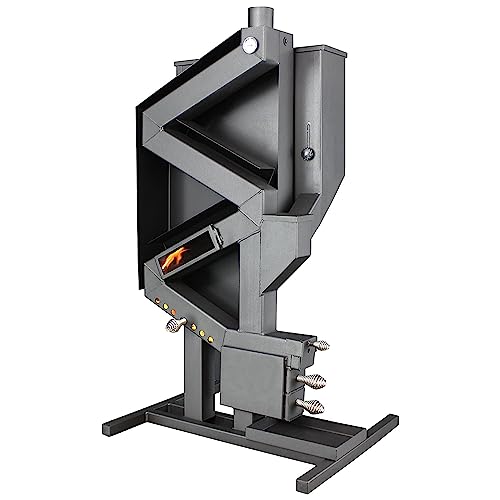 Thelin Gnome Pellet Stove is one of the most sought-after choices. This is a traditional pot belly stove that has been created by hand. It also comes with a battery backup system to ensure it is running during power outages. The Providence pellet stove is another alternative. It comes with a low-heat option, as well as a battery backup that prevents overheating. This stove is perfect for small cabins and cottages. It can run on its own if the power goes out. It is essential to consider the BTUs and the heating capacity when choosing the right pellet stove for your small space. You should also be aware of the square footage of your room. When it comes to supplemental heat, more is not always more effective. The GW1949 Wiseway non-electric pellet stove is a good option for homes that are off grid up to 2,000 square feet. Its footprint is small of 24 inches wide by 16 inches deep, and can be utilized in mobile homes with restricted rear and side clearance. The Wiseway can also be controlled remotely via a smartphone application making it an ideal option for people who live in a remote area. Energy efficiency A typical small pellet stove has a high energy efficiency rating and is ideal for heating a small home. It generates heat using wood-pellet fuel and has a low level of air pollution. The stove can be used as an alternative to electric resistance heating or a complement to your heating system. It can also provide backup heating in the event of power failure. A pellet stove offers a number of advantages over other types of heating systems, such as lower operating costs and minimal maintenance requirements. Before you purchase a pellet stove, be aware of some crucial aspects. For example, a pellet stove requires an electrical outlet to power its automated features, like the pellet feeder and digital controls. It also requires venting systems that are well-maintained and properly sized. The kind of pellet stove that you choose will depend on your budget, heating needs and the way of life you live. There is a growing market for small pellet stoves, especially since more people opt to live in tiny homes and yurts. These stoves are an ideal choice for smaller spaces. They are often equipped with smart controllers, which permit you to control the stove from a distance. The Serenity 12327 model from Castle Pellet Stoves is an ideal choice for those who want a compact stove with great energy efficiency. When purchasing a stove for a small space take into consideration the British Thermal Units (BTUs) and the arrangement of your room. A larger stove will struggle to regulate temperature, while an undersized stove will exhaust its capacity too quickly, which will reduce efficiency. Also, you must ensure that the airflow in the room is clear to prevent drafts and other heating issues. Small pellet stoves are also more efficient than wood-burning stoves because they require less manual labor. They are able to burn pellets with a higher moisture content than wood, which makes them more cost-effective to run and less likely to cause creosote buildup in chimneys. They produce very little dust and require less maintenance than stoves that burn wood. If you're thinking of installing a pellet stove in your home, speak with a professional to determine the right size and BTU output. They can assist you in choosing the best stove for your heating needs and space. They will also make sure that the stove is installed correctly and is in a tight connection to your flue pipe. Burning method Pellet stoves can be used as a supplement to heat homes that don't have chimneys. They aren't furnaces however they can be an affordable and efficient alternative. They also do not emit carbon dioxide or other pollutants into the air which makes them a healthier and safer choice than traditional wood stoves. The most commonly used design of pellet stoves is one that runs with a fan that circulates warm air throughout the room. You can choose to have them blow with a strong breeze or a soft whisper, depending on the style you prefer. Pellets are tiny, compacted pieces of recycled materials that offer clean-burning and long-lasting heat. They are a great alternative to wood-burning stoves which can be costly and require frequent firewood replenishment. The hoppers on pellet stoves are big enough to accommodate a large amount of fuel for a number of hours however they aren't nearly as large as the hoppers on propane stoves. The hoppers in these stoves are usually powered with an auger or gravity system. They are able to feed pellets into the burner and ignite them with a ceramic spark plug. Once the flame appears you can switch from automatic feeding to manual control to alter the level of heating. Some models come with a thermostat, which will automatically shut off the stove when it reaches the desired temperature. This feature reduces energy consumption and stops the stove from overheating. Certain models come with an electronic display that makes it easy to see the power consumption in the room as well as the temperature. Some are designed with an inbuilt humidifier that helps reduce the production of smoke. These small stoves can be difficult to use in humid locations. They can also generate lots of Ash. To avoid this, choose a model with removable airports to make cleaning easier. Small pellet stoves can occupy space in your home and require ventilation systems. This can impact the design of your interior. You can consult with an installer to decide the location where your stove is installed. Also, visite site should take measurements of the area where you intend to put the stove so that it will fit perfectly. It's also an excellent idea to research other heating options for your home prior to buying a pellet stove. Maintenance A well-maintained pellet stove is a major element in the energy efficiency of your home. It also reduces the threat of carbon monoxide, fire leakage, and other malfunctions that can cause unsafe situations. Follow the maintenance tasks that are recommended by the owner's manual to avoid costly repairs. This includes inspecting the ash pan, burner pot, hopper and blower every day for excessive ash accumulation. You should also clean your pellet stove's glass regularly to avoid the buildup of soot. You can find the manual for your pellet stove online, or from your local hearth retailer. In addition to regular cleaning of the ash pan and blower It is important to regularly clean the exhaust pipe, fan and vents. This will prevent dust and soot from accumulating in the pipes and vents, which can block the air flow. A dirty vent can result in gas and smoke leaks that can be dangerous. Other routine maintenance tasks for your pellet stove are regular cleaning of the glass and scraping out the burn pan every few days. This will keep ash buildup from affecting airflow and reduce heating efficiency. It will also prevent the ash pan from overflowing. If your pellet stove is equipped with an hopper, it is recommended to clean the burner as well as the feed screw and hopper agitator regular basis. The hopper should be cleared of any debris that could hinder the auger and motor. It is essential to keep the heat exchanger clean. patio pellet stove is the device that transfers heat from the burning pellets to the air that circulates in your home, and a dirty one will not perform as well. A tenth of an inch of soot can cut down the heat transfer by half on metal surfaces. Additionally, you should clean the gaskets surrounding your stove's door and the ash pan on an ongoing basis. Gaskets are what make your stove airtight. A damaged or worn one can reduce the efficiency of your home. It is recommended to use a cleaner that is safe for your stove's gaskets, such as a degreaser. Avoid using abrasive or oven cleaners as they could damage the finish and produce dangerous fumes.